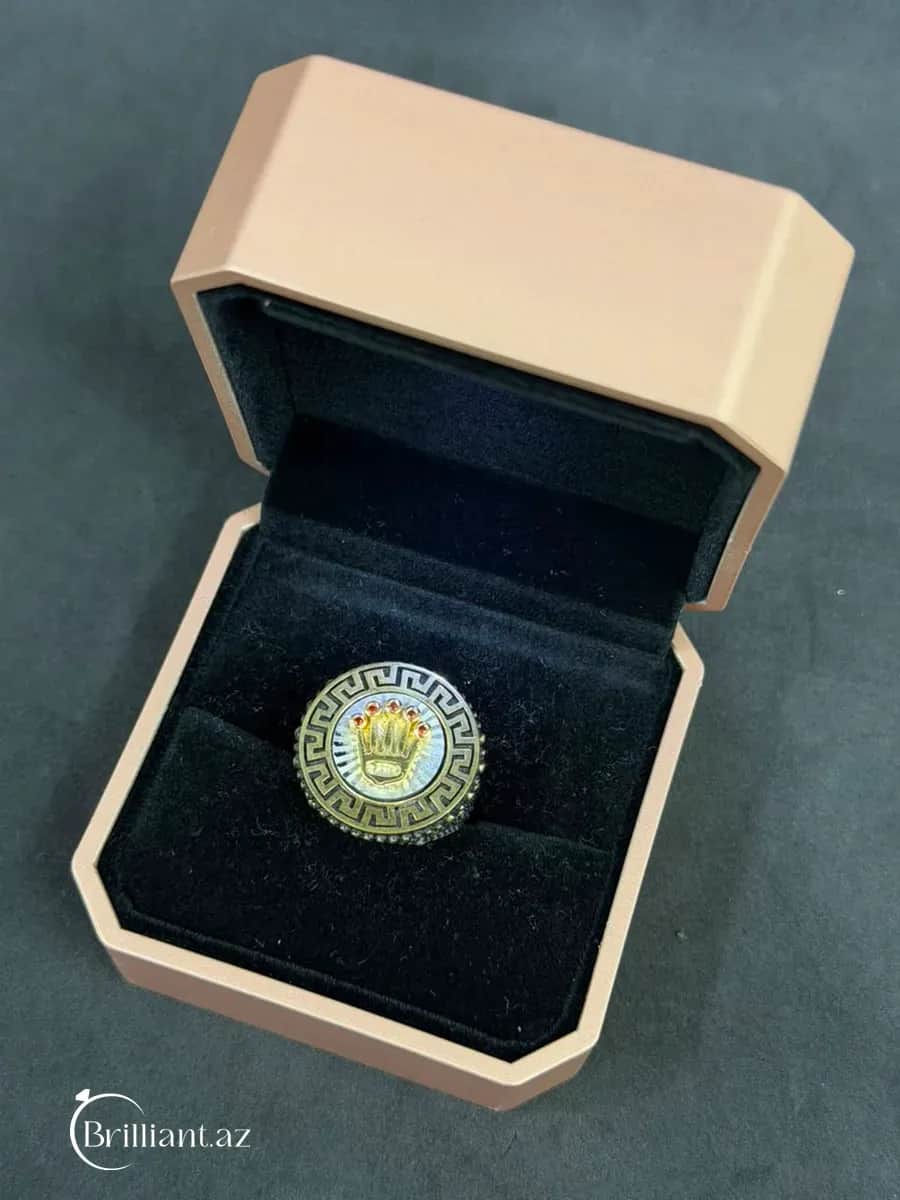
A guide to the key differences between white gold and yellow gold, their durability, and how to choose the right jewelry for your style.
Composition Differences: White Gold vs. Yellow Gold
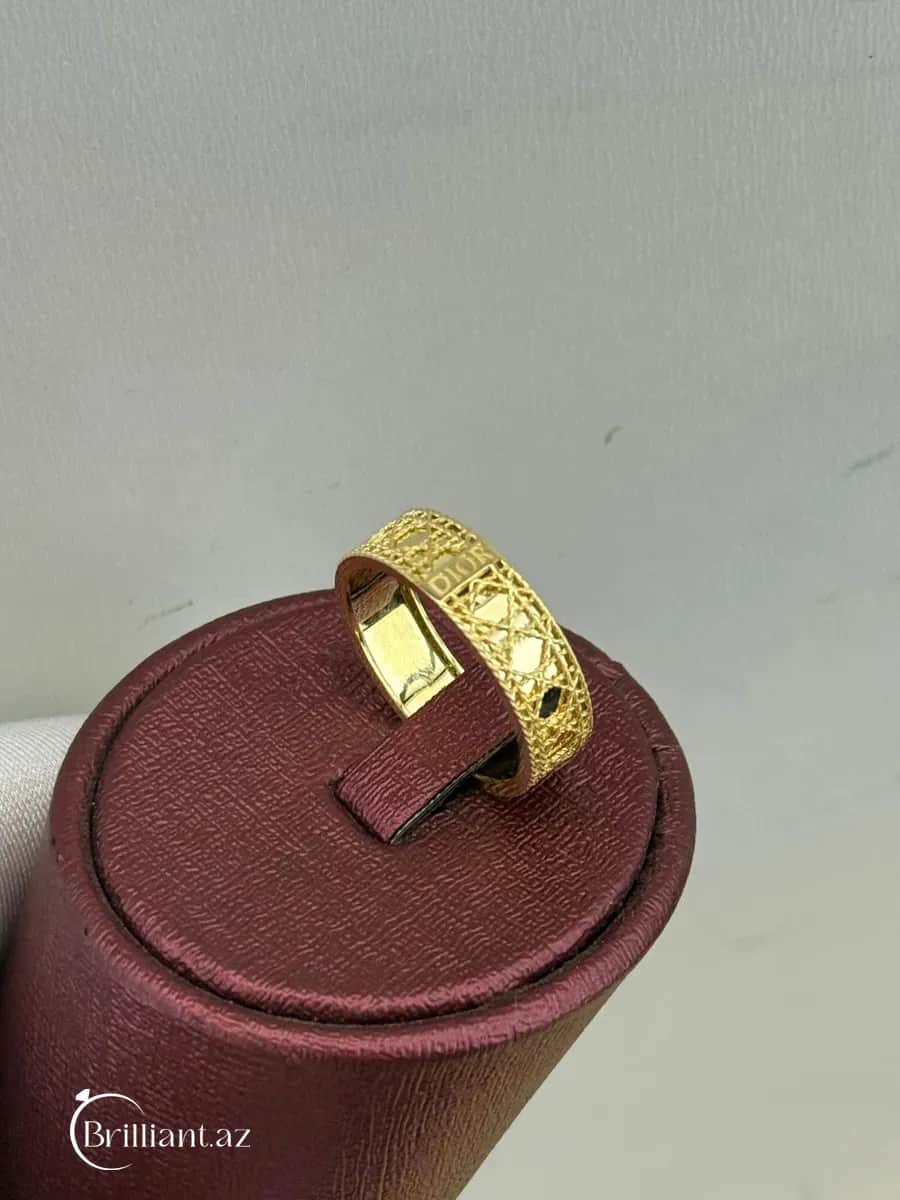
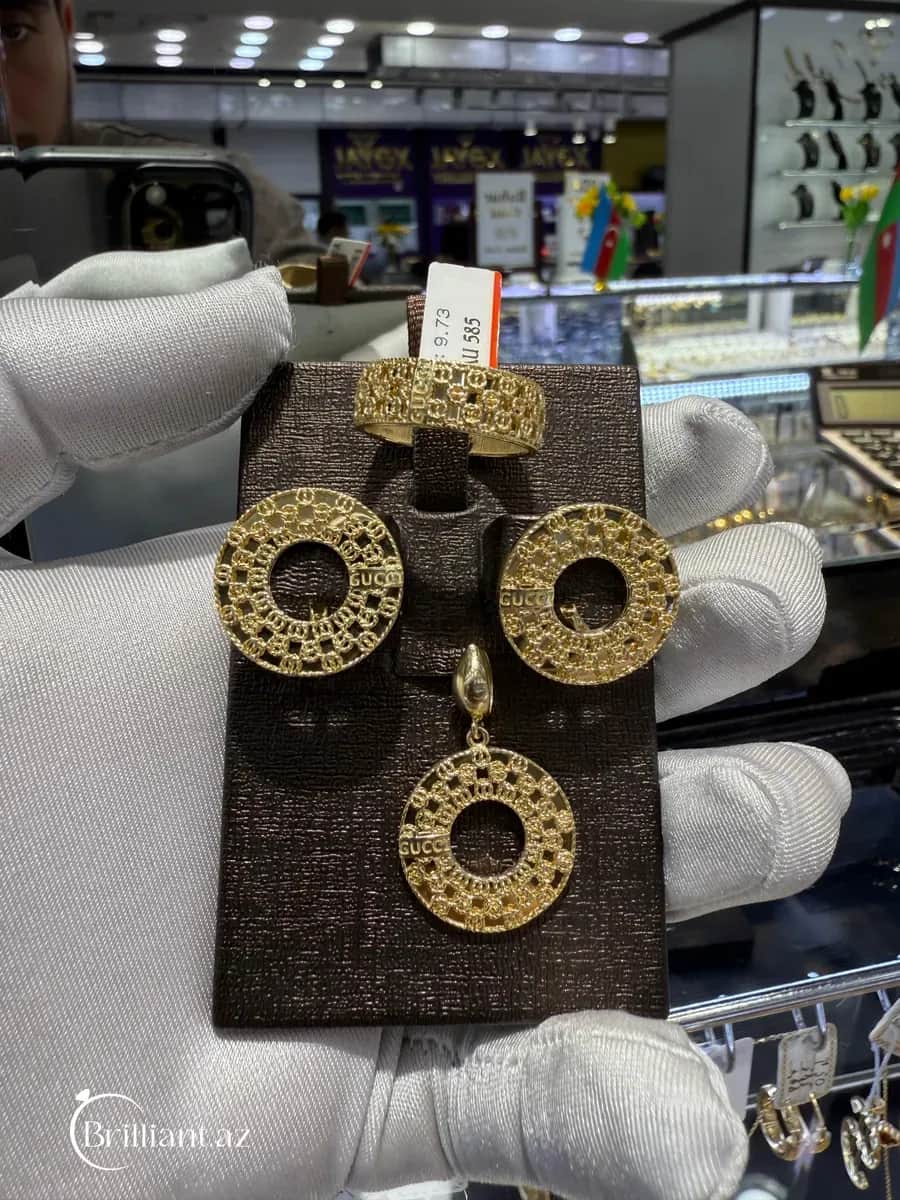
Yellow Gold: Retains the natural gold color found in nature. It is alloyed with metals like copper and silver to increase its hardness (e.g., 14-karat/585 purity).
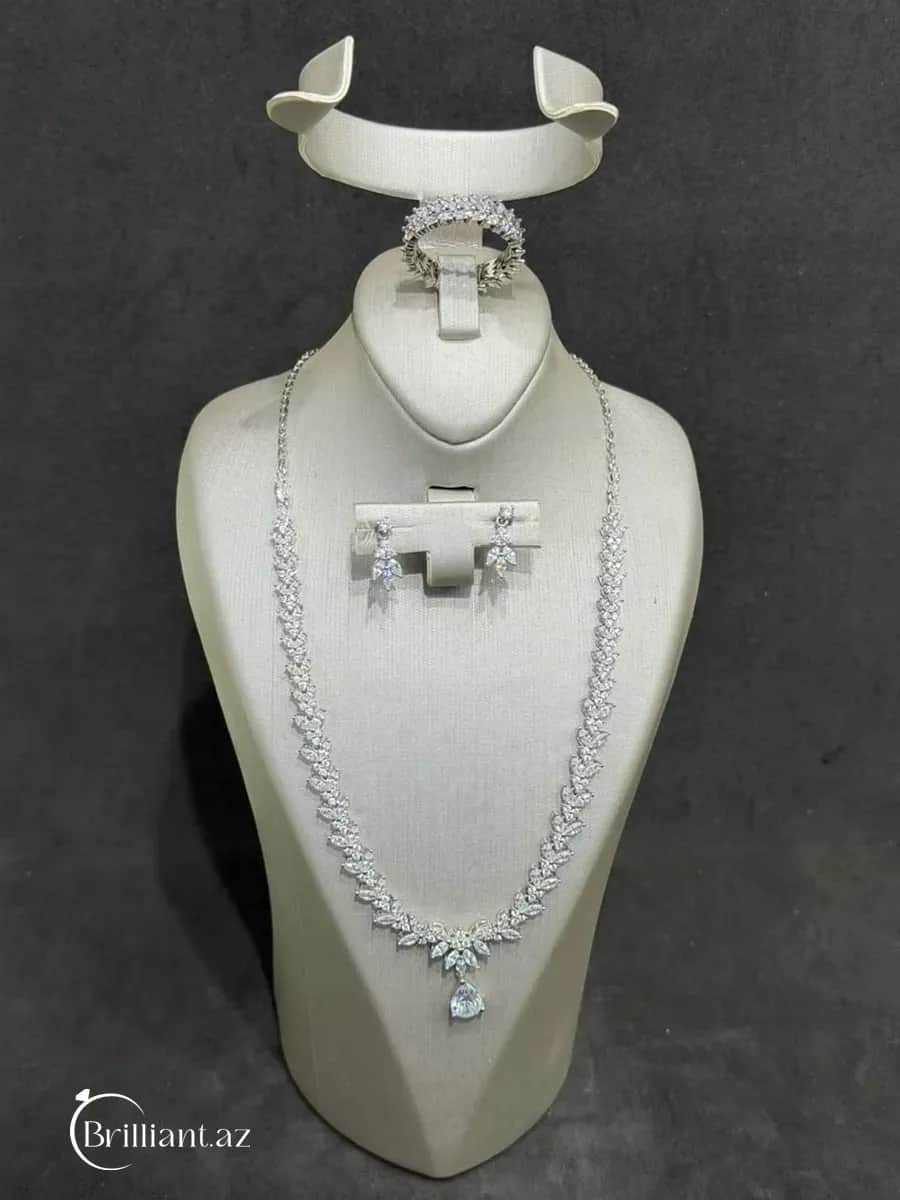
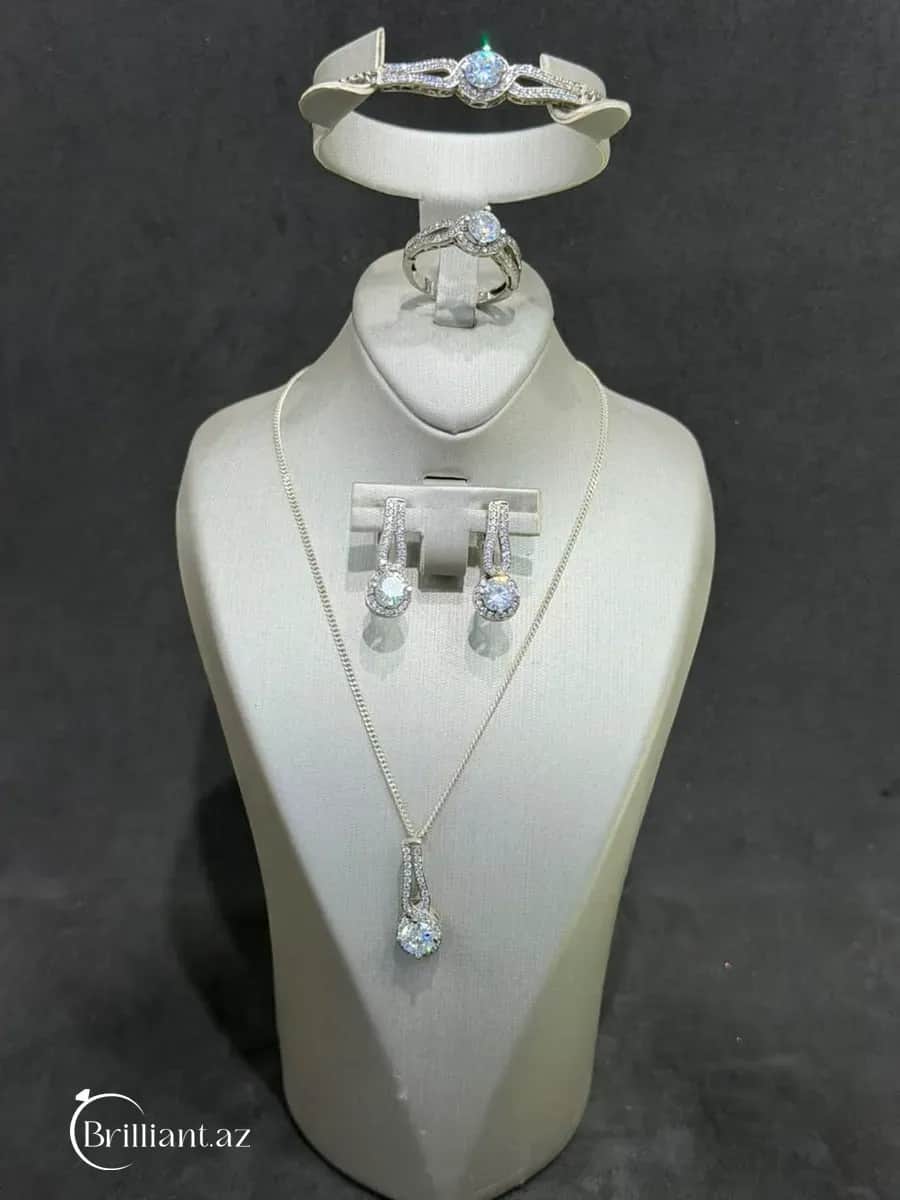
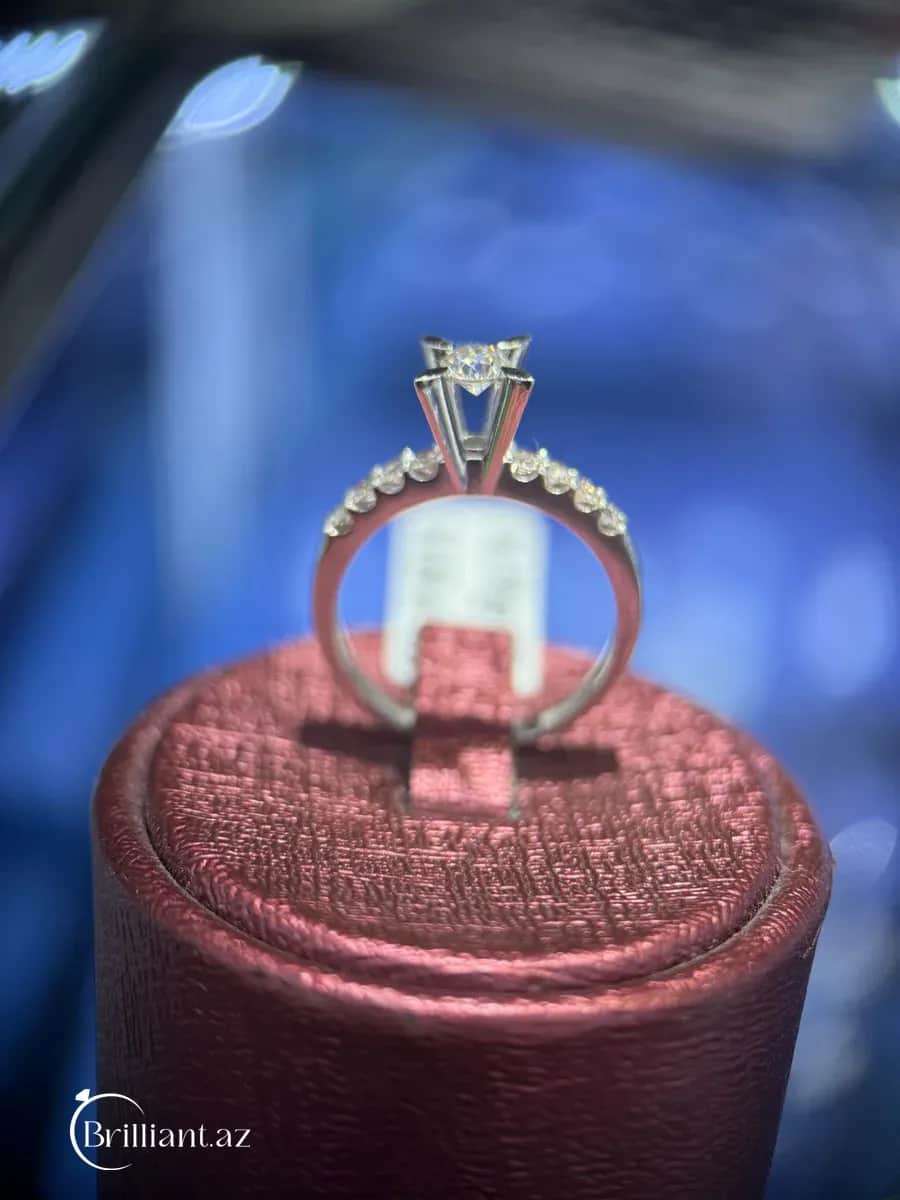
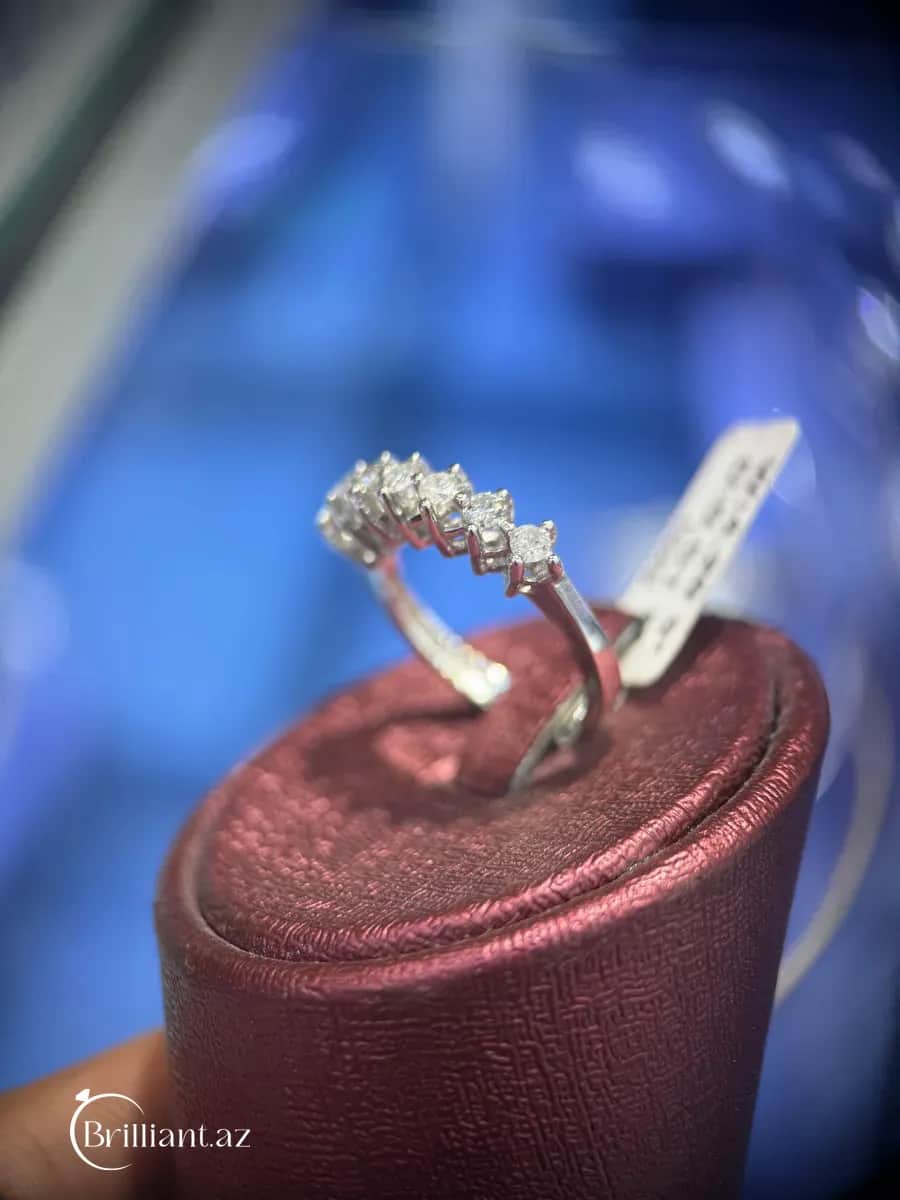
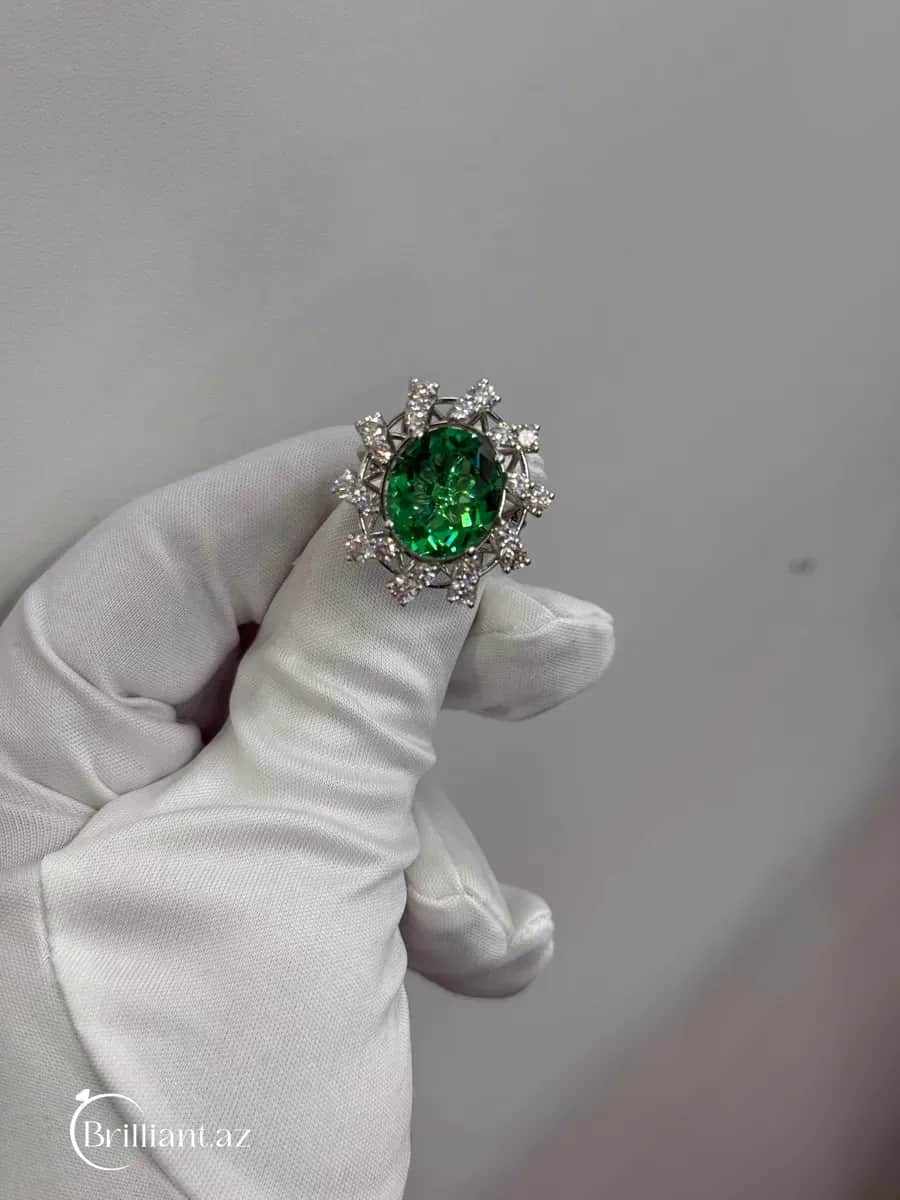
White Gold: Created by mixing pure gold with white metals such as palladium, zinc, or nickel. It is plated with rhodium to achieve its final luster and whiteness.
One of the biggest questions when buying gold is whether to choose yellow gold or white gold. Although both are precious metals, they differ in terms of composition, appearance, and maintenance requirements.
Which Is More Durable?
The rhodium plating on white gold makes it somewhat more resistant to scratches. However, over time (1–2 years), the rhodium plating can wear off, potentially requiring re-plating. Yellow gold, on the other hand, never loses its color and does not require special plating. A Choice to Suit Your Style
Yellow Gold: An ideal choice for those who love classic and traditional styles and have warm skin undertones.
White Gold: Suitable for those who prefer a modern, minimalist look and wish to combine a silver aesthetic with the quality of gold.